ArchitectureLandscape DesignSustainable DesignSite PlanningMay 31, 2026
Designing with Nature: Why the Best Spaces Begin with the Land
Great architecture starts long before construction. Discover how understanding a site's natural character leads to spaces that feel grounded, timeless, and deeply connected to their surroundings.
When people think about architecture, they often imagine sketches, floor plans, materials, and construction. Yet some of the most important design decisions happen long before any of these stages begin. They happen when an architect first arrives on a site and simply observes.
Every site possesses a unique character. It has its own terrain, vegetation, climate, views, natural light patterns, and environmental conditions. These elements exist long before a building is introduced, and they continue to influence how a space feels long after construction is complete. At The Urban Habitat, we believe that successful design begins by understanding and respecting these existing qualities.
Too often, architecture is approached as an object placed onto a piece of land. The site becomes a blank canvas, and natural features are removed to accommodate a preconceived vision. While this approach may simplify the design process, it frequently results in spaces that feel disconnected from their surroundings. The building exists on the land, but it does not truly belong to it.
A more thoughtful approach begins with listening. Before developing concepts, we take time to understand the site and identify what makes it unique. We observe how sunlight moves throughout the day. We study prevailing wind directions and seasonal climate patterns. We examine changes in elevation, existing vegetation, and important views. These observations help us uncover opportunities that can strengthen the final design.
Natural light is one of the most valuable resources available to any project. A well-positioned building can maximize daylight, reduce energy consumption, and create healthier, more enjoyable interior environments. By understanding how the sun interacts with a site, spaces can be oriented to capture morning light, reduce unwanted heat gain, and create comfortable transitions between indoor and outdoor areas.
Similarly, wind patterns play a significant role in shaping the experience of a space. Strategic placement of openings, courtyards, and outdoor living areas can improve natural ventilation and thermal comfort. Rather than relying entirely on mechanical systems, thoughtful site-responsive design allows the environment itself to contribute to the performance of a building.
Existing vegetation also deserves careful consideration. Mature trees often provide shade, habitat, visual interest, and a sense of permanence that cannot be replicated overnight. Preserving these elements not only benefits the environment but also enriches the character of a project. A courtyard centered around an existing tree often feels more meaningful than one created from scratch because it carries a history that predates the architecture itself.
Topography presents another opportunity for creative design solutions. Sloping sites are frequently viewed as challenges, yet they can become some of the most memorable projects when approached thoughtfully. Changes in elevation can create dramatic views, layered outdoor spaces, and unique relationships between different areas of a building. Rather than flattening the land, working with natural contours often produces a more authentic and engaging result.
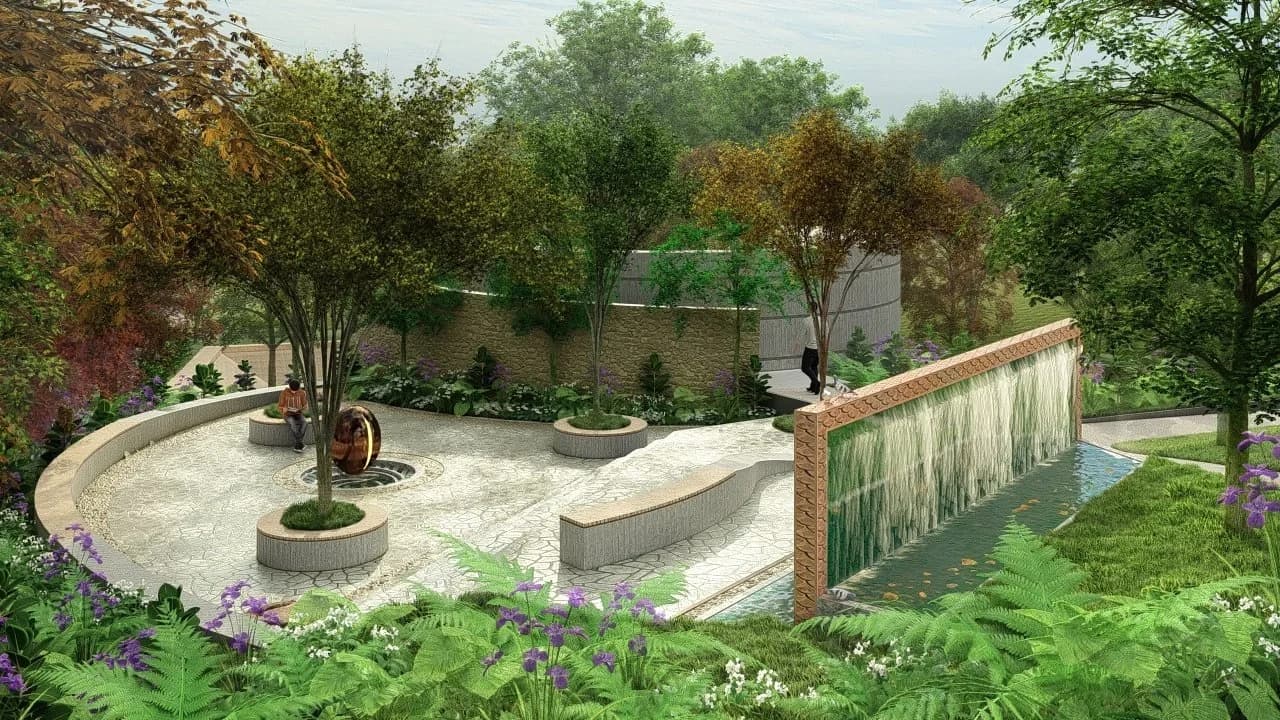
The connection between architecture and landscape is equally important. Buildings should not exist independently from their surroundings. Instead, architecture and landscape should work together to create a unified experience. Courtyards, gardens, terraces, and transitional spaces help blur the boundary between inside and outside, allowing people to feel connected to nature throughout their daily lives.
This relationship is particularly valuable in residential design. A home is not simply a collection of rooms. It is an environment that supports routines, relationships, and moments of reflection. Spaces that maintain a strong connection to the outdoors often feel more welcoming, calming, and enjoyable to inhabit. Natural views, fresh air, and access to greenery contribute significantly to overall well-being.
Designing with nature also supports long-term sustainability. Buildings that respond to climate conditions, maximize natural resources, and preserve ecological features often perform better over time. Sustainable design is not only about technology or certifications. It begins with understanding a place and making decisions that work in harmony with its environment.
Perhaps most importantly, site-responsive design creates spaces with a stronger sense of identity. Every project becomes unique because it is shaped by conditions that cannot be replicated elsewhere. The architecture emerges from the character of the land itself rather than from a formula applied repeatedly across different locations.
At The Urban Habitat, we view every site as a collaborator in the design process. The land provides clues, opportunities, and inspiration that guide our decisions from concept through completion. By respecting what already exists and allowing nature to inform our work, we create spaces that feel authentic, enduring, and deeply connected to their surroundings.
The most memorable architecture rarely feels imposed upon the landscape. Instead, it feels as though it has always belonged there. That sense of belonging is not accidental. It is the result of careful observation, thoughtful design, and a genuine respect for the relationship between people, place, and nature.