Interior DesignArchitectureResidential DesignDesign ProcessMay 31, 2026
The Relationship Between Architecture and Interior Design
Architecture and interior design are often treated as separate disciplines, yet the most memorable spaces emerge when both are considered together from the very beginning.
When people experience a well-designed space, they rarely separate architecture from interior design. They do not think about where one discipline ends and the other begins. Instead, they experience the space as a whole. The proportions feel right, movement feels natural, light enters thoughtfully, materials complement one another, and every element contributes to a cohesive atmosphere.
Yet in many projects, architecture and interior design are approached independently. A building is designed first, and the interior is considered later. While this method may seem practical, it often creates missed opportunities and compromises that affect the overall quality of the space.
At The Urban Habitat, we believe that architecture and interior design should evolve together. They are not separate layers added at different stages of a project. They are interconnected parts of a single design story.
Architecture establishes the foundation of a space. It determines how people move through an environment, how rooms relate to one another, how natural light enters the building, and how the structure responds to its surroundings. These decisions shape the overall experience long before furniture, finishes, or decorative elements are introduced.
Interior design builds upon that foundation. It influences how a space feels on a daily basis through material selections, textures, colors, lighting, furniture, and detailed spatial planning. While architecture defines the framework, interior design brings warmth, character, and human connection to the experience.
The most successful projects emerge when these decisions are considered together from the earliest stages of design.
Natural light provides a perfect example. Architectural decisions determine the placement and size of windows, courtyards, skylights, and openings. Interior design then responds to that light through material choices, surface treatments, furniture placement, and lighting strategies. When both disciplines work together, daylight becomes an intentional design feature rather than a fortunate outcome.
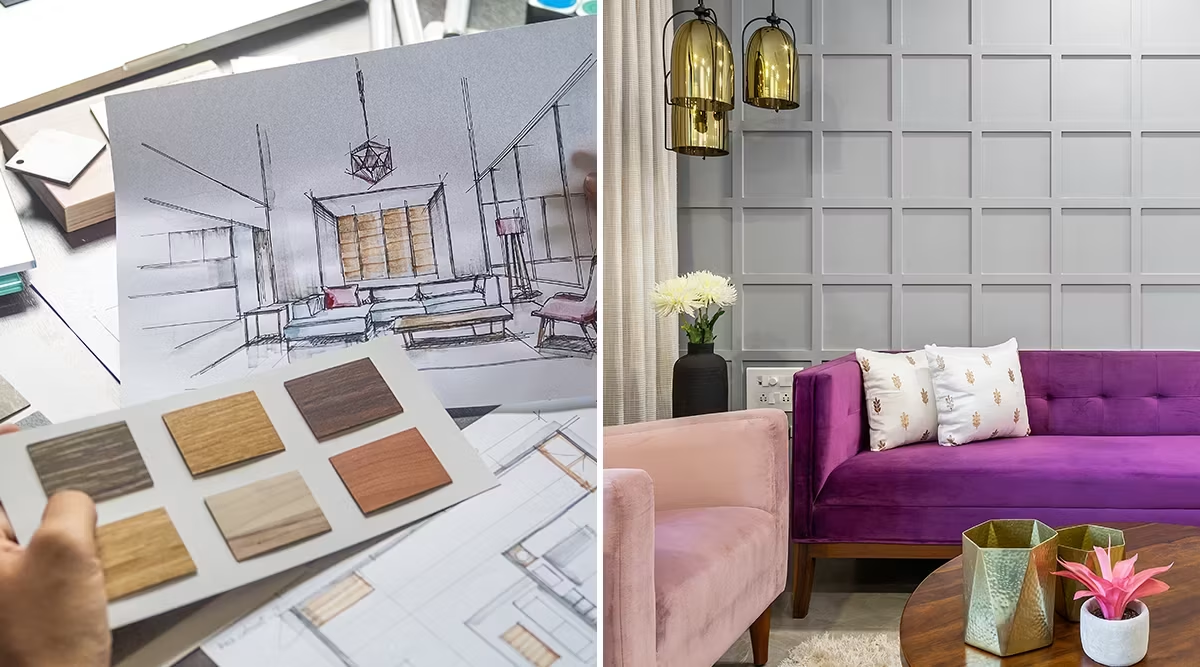
Materiality offers another important connection. A building's exterior materials often establish a visual language that can continue throughout the interior. Stone, wood, concrete, metal, and textured finishes can create continuity between indoor and outdoor environments. This consistency helps a space feel cohesive rather than fragmented.
Spatial flow is equally important. Architecture determines circulation routes and room relationships, while interior design refines how these spaces function and feel. Together, they create environments that support everyday routines while maintaining comfort and visual harmony.
In residential projects, this relationship becomes especially significant. A home should feel cohesive from the moment someone arrives. The architectural form, landscape, entry sequence, interior spaces, and material palette should work together to create a unified experience. When these elements are disconnected, even beautiful individual components can feel incomplete.
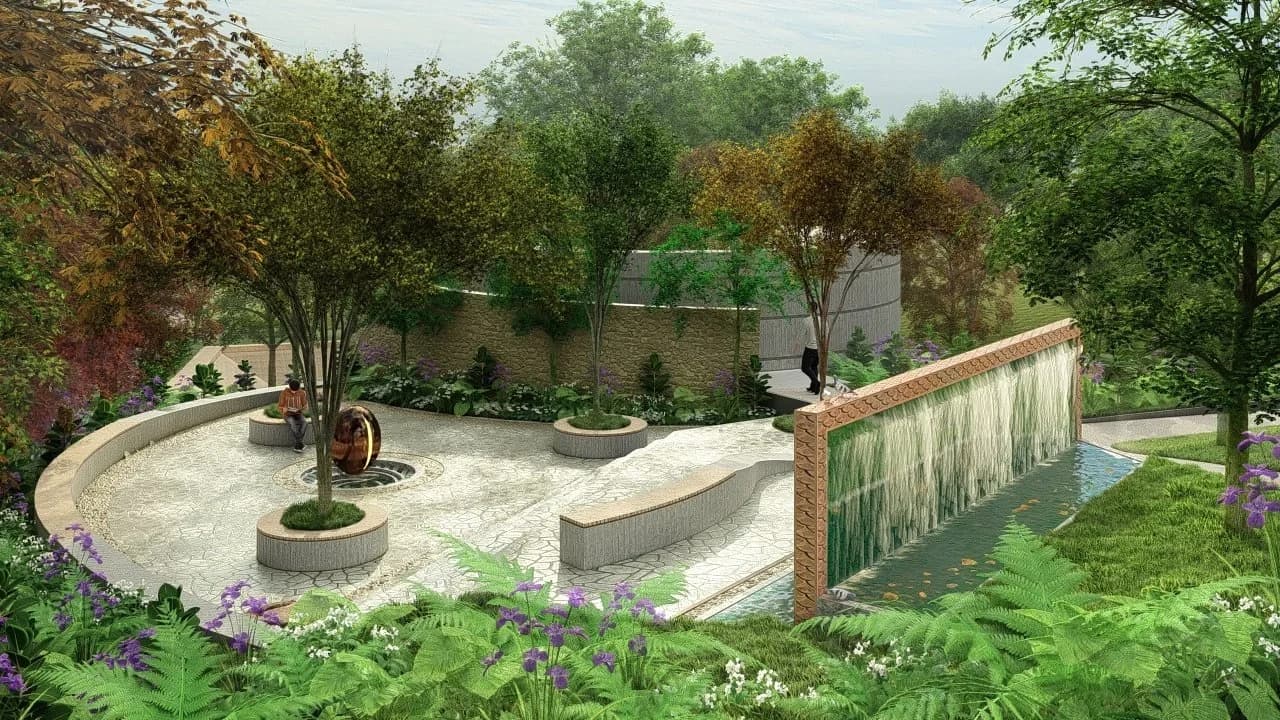
Consider a living space designed to connect with a garden. Architecture may establish large openings, a courtyard, or carefully framed views. Interior design then strengthens that connection through natural materials, soft textures, and furniture arrangements that encourage interaction with the outdoor environment. The result is not simply a room with a window. It becomes an experience that connects people to nature.
Commercial and workplace environments benefit from the same integrated approach. Productivity, comfort, collaboration, and user experience are influenced by decisions that span both architecture and interiors. The most effective spaces are those where form and function support one another seamlessly.
A common misconception is that interior design is primarily about decoration. In reality, it involves careful consideration of how people live, work, gather, and interact within a space. It addresses functionality, ergonomics, comfort, acoustics, lighting, and atmosphere. These aspects directly influence the success of a project and should be considered alongside architectural planning rather than after it.
Another advantage of an integrated design process is consistency in decision-making. When architecture and interiors are developed together, every choice can support a shared vision. This reduces conflicts, improves efficiency, and creates stronger outcomes. Materials, details, proportions, and spatial experiences become part of a unified design language.
Timeless spaces are often the result of this holistic approach. Rather than relying on trends or decorative statements, they focus on qualities that remain meaningful over time. Natural light, thoughtful proportions, quality materials, and carefully considered details continue to resonate long after design fashions have changed.
At The Urban Habitat, we view architecture and interior design as inseparable components of meaningful space-making. Every project is approached with an understanding that the experience of a building extends beyond its structure. It includes how people move through it, interact with it, and ultimately feel within it.
The goal is not simply to create beautiful buildings or attractive interiors. The goal is to create environments where every element works together with purpose. When architecture and interior design are considered as one continuous conversation, the result is a space that feels complete, intentional, and deeply connected to the people who inhabit it.
Great design is rarely the product of isolated decisions. It emerges when every layer of a project contributes to a shared vision. That is where architecture and interior design meet, and where truly memorable spaces begin.